
The Arroyo Gazette
How to Sound Out Spanish Words in 3 Steps
A simple routine helps beginners decode new vocabulary by focusing on vowels, common letter patterns and steady syllable rhythm.
EDUCATION
SAN LUCAS — Monday, February 9, 2026
By Elena Márquez
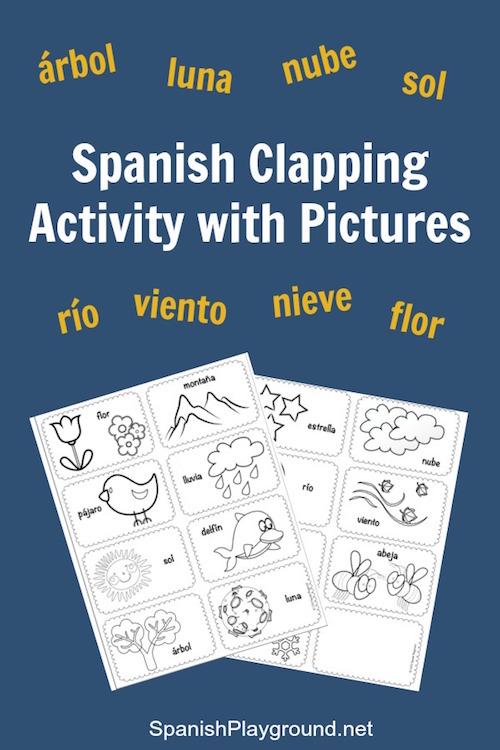
In Ms. Valdez’s first-period Spanish class at San Lucas Middle School, students aren’t guessing at new words anymore. They’re using a three-step routine — vowels first, patterns next, then rhythm — to turn unfamiliar spelling into confident reading.
The method has spread quickly from one classroom whiteboard to hallway posters and student notebooks, according to teachers who said the goal is consistency: the same moves, every time, with any new word.
“Spanish is kind to you if you’re kind to the vowels,” Valdez told her class last week, pausing as students tapped their desks in five steady beats.
Step 1: Lock in the five vowels
Students begin by “locking in” the vowel sounds before they worry about anything else. In Valdez’s room, the vowels are written at the top of every practice page:
- a as in ah
- e as in eh
- i as in ee
- o as in oh
- u as in oo
Eighth-grader Jordan Kim said this step keeps him from drifting into English habits. “If I get the vowels right, the word already sounds more Spanish,” he said.
Step 2: Scan for special patterns
Next, students sweep the word for patterns that change what letters do. On a recent Thursday, Valdez asked students to circle what they saw before reading out loud.
Common patterns on the class list included:
- ñ
- rr
- ch
- qu
- gu
- c/g before e/i
- ll/y
“Don’t fight the word,” Valdez said as she walked between desks. “Spot the pattern, then let it do its job.”
Worked example: decoding “queso”
Valdez used queso — a word many students recognized from cafeteria jokes — to model the routine because it includes qu.
-
Lock in the vowels: queso has e and o.
-
Scan for special patterns: the word starts with qu.
-
Read with syllable rhythm: Valdez split the word into two beats and read it smoothly: que-so.
A chorus followed from the class, each student clapping the two syllables before saying the word again without claps.
Seventh-grader Marisol Peña said the rhythm step made the biggest difference. “When I try to read it all at once, I rush,” she said. “If I do the beats first, I don’t get stuck.”
Step 3: Read with syllable rhythm
Teachers said the final step is about steadiness rather than speed. Students are encouraged to give each syllable a clear beat, then blend.
Instructional coach Dana Holt said the routine keeps students from “Englishing” the word. “They stop hunting for a familiar English sound and start trusting the syllables,” she said.
Mini checklist for independent practice
Students at San Lucas Middle School said they keep a small checklist in the margin during reading practice:
- Did I say all five vowels the Spanish way?
- Did I circle any special patterns (ñ, rr, ch, qu, gu, c/g before e/i, ll/y)?
- Did I tap or chunk the word into syllables before blending?
- Did I reread it once smoothly after the first try?
Valdez told students the routine is meant to be portable — “something you can do in your head during a quiz, not just at your desk.” As the bell rang, several students repeated the steps to one another while packing up, turning the day’s lesson into a habit.